Council by-election · Thursday, 1 October 2026
Highland: Wick and East Caithness ward
5 candidates. Same page for each, in ballot-paper order.

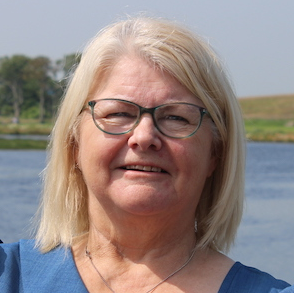
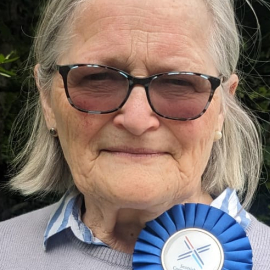
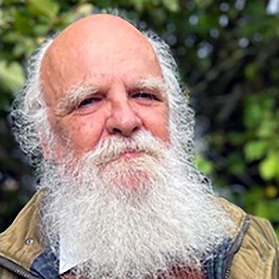
Describe a household. Yours, a friend's, a neighbour's. Then each candidate's page shows what applies.
Which topics do you want to see first? Optional.Choose
This is a council seat. A councillor's win changes what the council decides: council tax, housing repairs and allocations, planning, social care, schools admissions, parking, bins, libraries. It does not change national tax, benefits or NHS policy, so this page shows only positions published for this council election, and no national party pledges are implied.
No sourced positions have been published for this ballot yet, so every candidate shows the same empty slots. Every claim that appears carries its source, date and exact quotation; see the public ledger.
Compare candidates side by side
You're voting for
Your local councillor
Councillors sit on the council that runs services where you live. They set the council's budget and council tax, and decide local planning applications. Here, for Highland: Wick and East Caithness ward.
What this office decides
- Planning. Whether new homes, extensions and developments get permission.
- Waste and streets. Bins, recycling, street cleaning, fly-tipping.
- Council tax. The level you pay, within limits set nationally.
- Social care. In county and unitary councils, care for older and disabled people.
- Parks and libraries. Opening, funding, closing.
- Council housing. Repairs, allocations and, in many areas, homelessness.
What it does not
- NHS policy and waiting times. Parliament and the NHS.
- Income tax and benefits. Parliament.
- Immigration. Parliament.
- Policing policy. The Home Office and your Police and Crime Commissioner or mayor.
- Schools' curriculum. Government and, for academies, their trusts.
How this vote is counted: single transferable vote. You rank candidates 1, 2, 3… as far as you like.Worked example
Each ballot starts with its first choice. To win, a candidate needs a quota: votes ÷ (seats + 1), plus one. If nobody reaches the quota, the candidate with fewest votes is excluded and their ballots move to each voter's next choice. If someone passes the quota, their surplus moves on in the same way. It continues until the seats are filled.
Example: 1,000 votes, one seat, quota 501. Round one: A 400, B 350, C 250. Nobody has 501, so C is excluded; C's ballots go to their second choices, say 150 to B and 100 to A. B now has 500, A 500, and the count continues on remaining preferences. A second choice is never wasted and never harms your first.
Dave Buchanan
Independent
Loading
Dave Buchanan
Independent
Julie Calder
Liberal Democrats
Loading
Julie Calder
Liberal Democrats
Charlotte Gibson
Conservative and Unionist Party
Loading
Charlotte Gibson
Conservative and Unionist Party
John Glen
Scottish National Party (SNP)
Loading
John Glen
Scottish National Party (SNP)
Iain Richmond
Reform UK
Loading
Iain Richmond
Reform UK
Highland: Wick and East Caithness ward in numbers
Go deeper: independent sources
Cross-cutting: polling, fact-checking, parliamentary research
- Commons Library: constituency data dashboards
- electionleaflets.org: archive of election leaflets, searchable by area
- Electoral Commission: political finance register (donations, loans, spending)
- Full Fact
- House of Commons Library research briefings
- Institute for Government
- Ipsos Issues Index: what the public says matters most
- LG Inform: council performance and finance data
- Local Elections Archive Project: every council result since 2002
- mySociety Local Intelligence Hub: data by constituency
- UK Parliament: Commons votes (every division, how each MP voted)
- UK Parliament: petitions, with signatures by constituency